


Game Production
Rhythm Games: Definitions and Examples
What are rhythm games? This article explains the genre, describes the core mechanics, and introduces the most well-known rhythm games.
Alexander Frey
Game Production
What makes a roguelike? We explain the genre's origin and mechanics, the difference from a roguelite, and present well-known examples from Rogue to Hades.
Hardly any genre has shaped the indie scene of recent years like the roguelike. Its appeal lies in a simple but gripping principle: every run is different, every death means a restart, and yet you never come back completely empty-handed. From classics like Rogue to modern hits like Hades, the genre has constantly reinvented itself. This article explains what defines a roguelike, which mechanics are behind it, and which titles have shaped the genre.
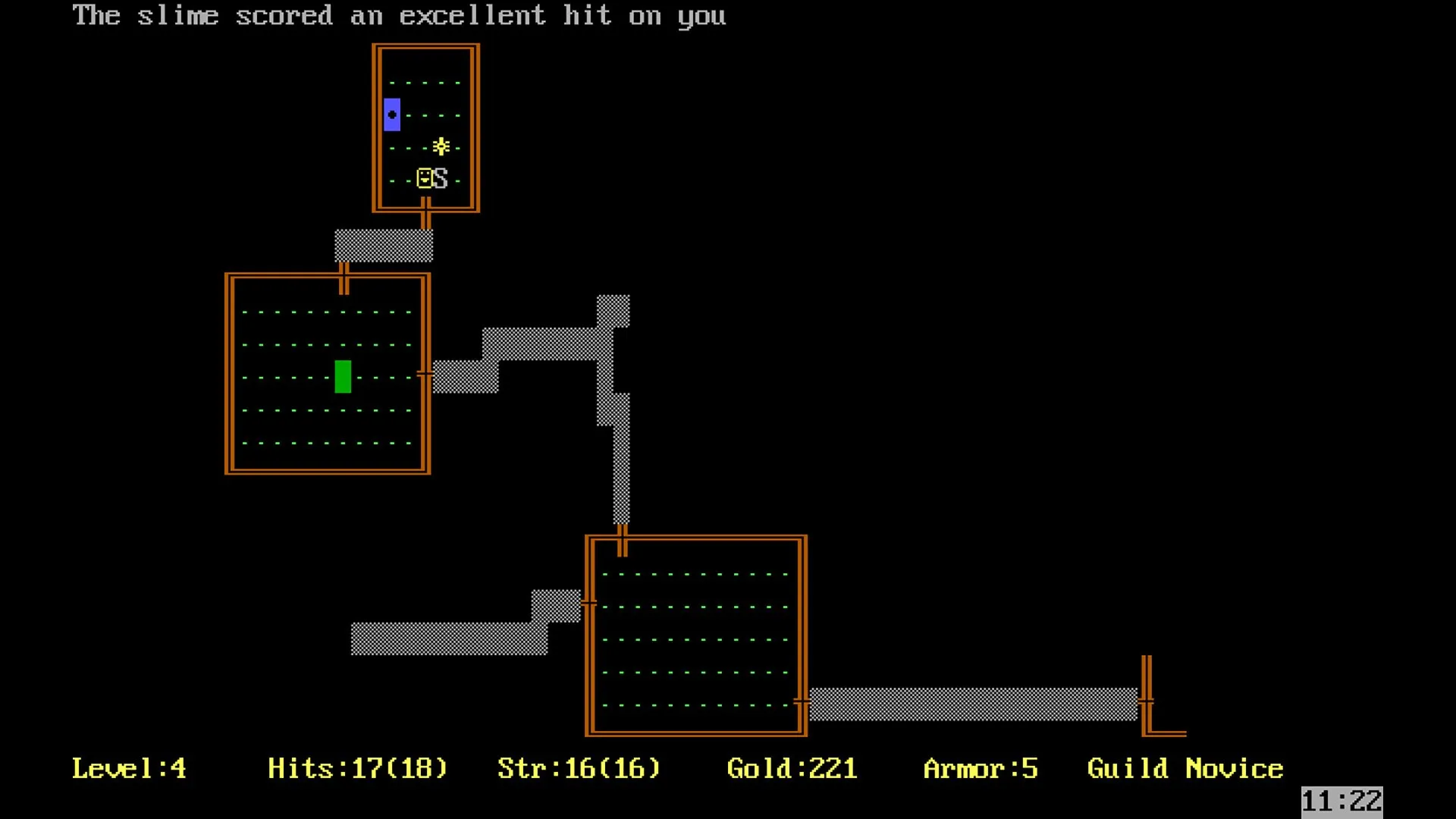
The term roguelike goes back to the 1980 game Rogue. In Rogue, the player fights through procedurally generated rooms ever deeper into a dungeon, which earned the genre the nickname dungeon crawler. The name roguelike points precisely to this similarity to Rogue.
Roguelikes belong to the subgenre of role-playing games. The player takes on a character with certain abilities and attributes and finds items along the way that change these values or unlock new abilities. The crucial point: levels, enemies, and loot are reassembled with every run. No two rounds are ever identical.
In practice, a distinction is often made between roguelike and roguelite. Classic roguelikes rely on permadeath: if you die, you start completely over, with no lasting progress. Roguelites soften this by letting you unlock permanent improvements between runs, such as stronger starting weapons. The line is blurry, and many modern games mix both approaches.
Typical for roguelikes is a flow in clear stages. You work your way through a series of rooms with enemies and usually face a powerful boss at the end. Many titles rely on turn-based combat, others on real-time action. What they share is high replayability: because content and rewards are constantly recombined, every attempt feels fresh. Much like with bullet hell games, the appeal lies in getting a little better with every try.
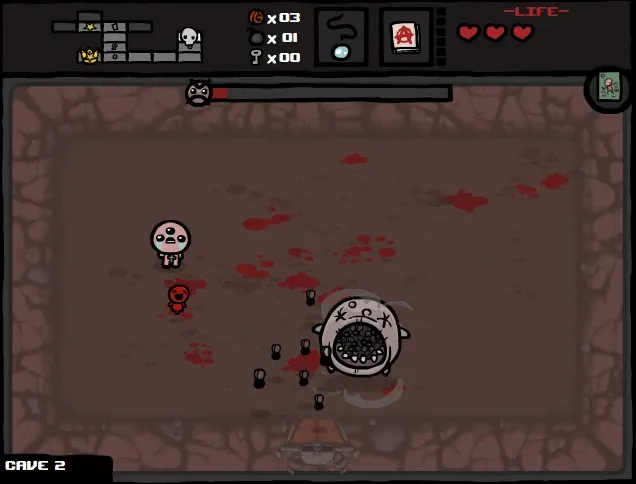 In 'The Binding of Isaac', Isaac's mother is told by a voice to kill Isaac
Rogue (1980) is the genre's namesake. The player has to recover an amulet from a monster-filled dungeon. The appeal lies in the procedurally generated levels that make every run unique.
The Binding of Isaac (2011) is one of the most influential modern roguelikes. The player controls Isaac, who flees into the basement from his religious mother and defends himself, using his tears as a weapon, against worms, zombies, and spiders. At the end, bosses like Satan or Isaac's mother await.
Hades (2020) brought the genre into the mainstream. In this isometric action roguelike, Zagreus, the son of Hades, tries to escape the underworld. After each death, he unlocks permanent improvements, a prime example of the roguelite principle. The 2024 sequel Hades II continues this formula.
Balatro (2024) shows how alive the genre remains: this poker roguelike combined card play and deckbuilding into one of the most surprising hits of recent years.
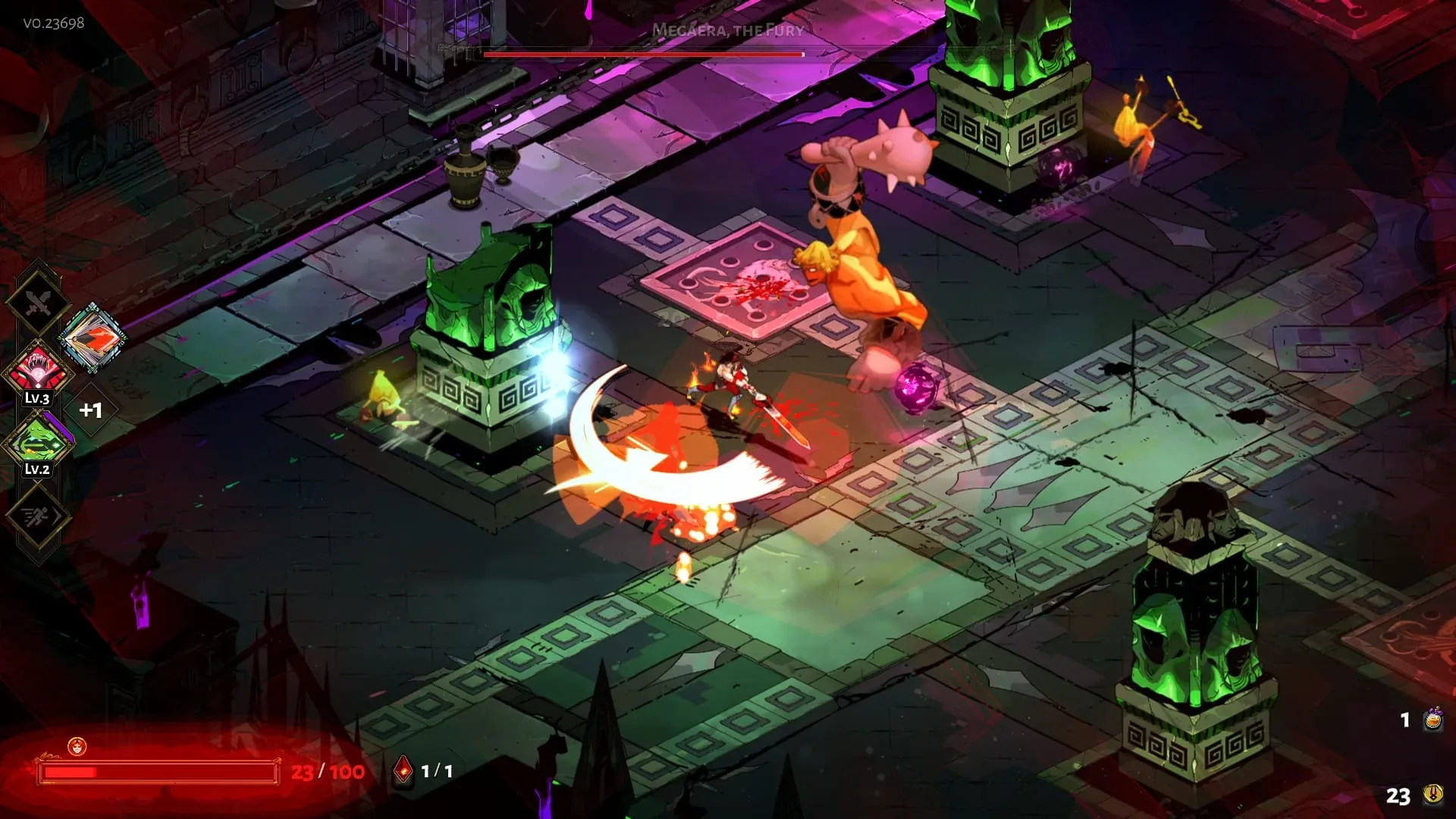 Hades's storytelling is based on a priority system, so conversations with NPCs always stay varied
Roguelikes are popular with developers because procedural generation can create an enormous amount of gameplay content from manageable resources. These kinds of well-thought-out game systems and mechanics are exactly what we build at Studio Merkas. If you have an idea for your own game project, whether a roguelike, a tower defense game, or an entirely different genre, get in touch with us.

Ready to get started?
We appreciate your interest in working with us. Whether you have an idea, a proposal, a question, or need assistance in another area, we’ll get back to you quickly—within 24 hours.